
Bolivia Turns to USDT as Dollar Crisis Deepens: A New Era for Stablecoin Regulation?
Bolivia explores recognizing Tether's USDT as legal tender amid a severe dollar shortage, signaling a shift in crypto policy.
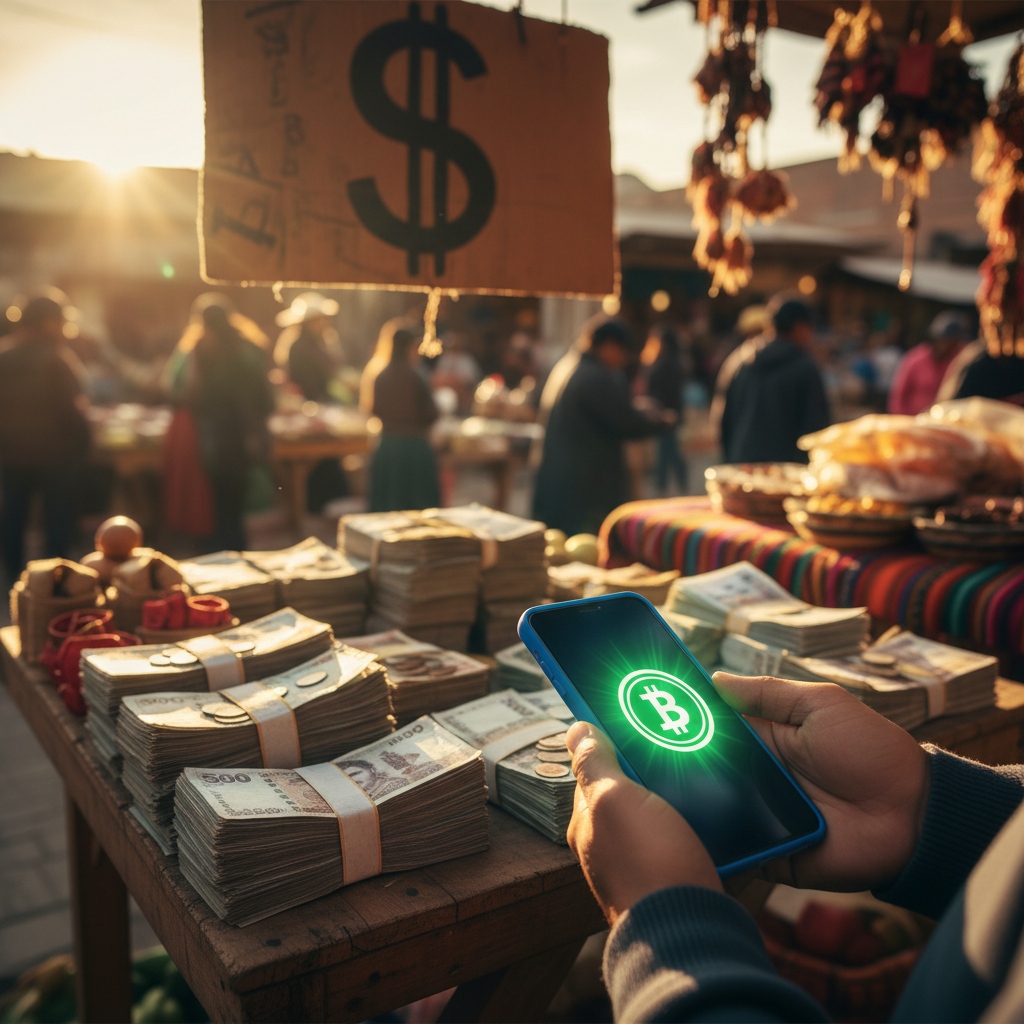
Bolivia is weighing a groundbreaking move that could reshape its financial landscape: officially recognizing the stablecoin USDT as a legitimate payment method. The proposal comes as the country grapples with an acute scarcity of U.S. dollars, a problem that has long hampered trade and savings.
Why USDT? The Dollar Shortage Dilemma
For months, Bolivians have faced long queues at banks and black-market premiums on the greenback. The government is now eyeing a digital alternative that can be traded peer-to-peer without the need for physical dollars. USDT, issued by Tether, is pegged 1:1 to the U.S. dollar, making it a familiar store of value in a stablecoin wrapper.
“This is not about endorsing crypto speculation — it’s about giving citizens a tool to preserve purchasing power when the official currency is scarce,” said a local economist who advised the central bank.
Under the proposed framework, USDT could be used for everyday transactions, from paying utility bills to settling cross-border invoices. The government is also exploring tax incentives for merchants who accept the stablecoin.
Key implications of the plan
- Reduced reliance on physical dollars — easing pressure on foreign reserves.
- Potential for faster, cheaper remittances from Bolivians abroad.
- Regulatory clarity that could attract crypto exchanges and fintech startups.
Critics warn that adopting a private stablecoin carries risks, including counterparty exposure to Tether and the lack of a domestic digital currency. Nevertheless, the Bolivian government appears willing to experiment, hoping to turn a crisis into a catalyst for financial innovation.